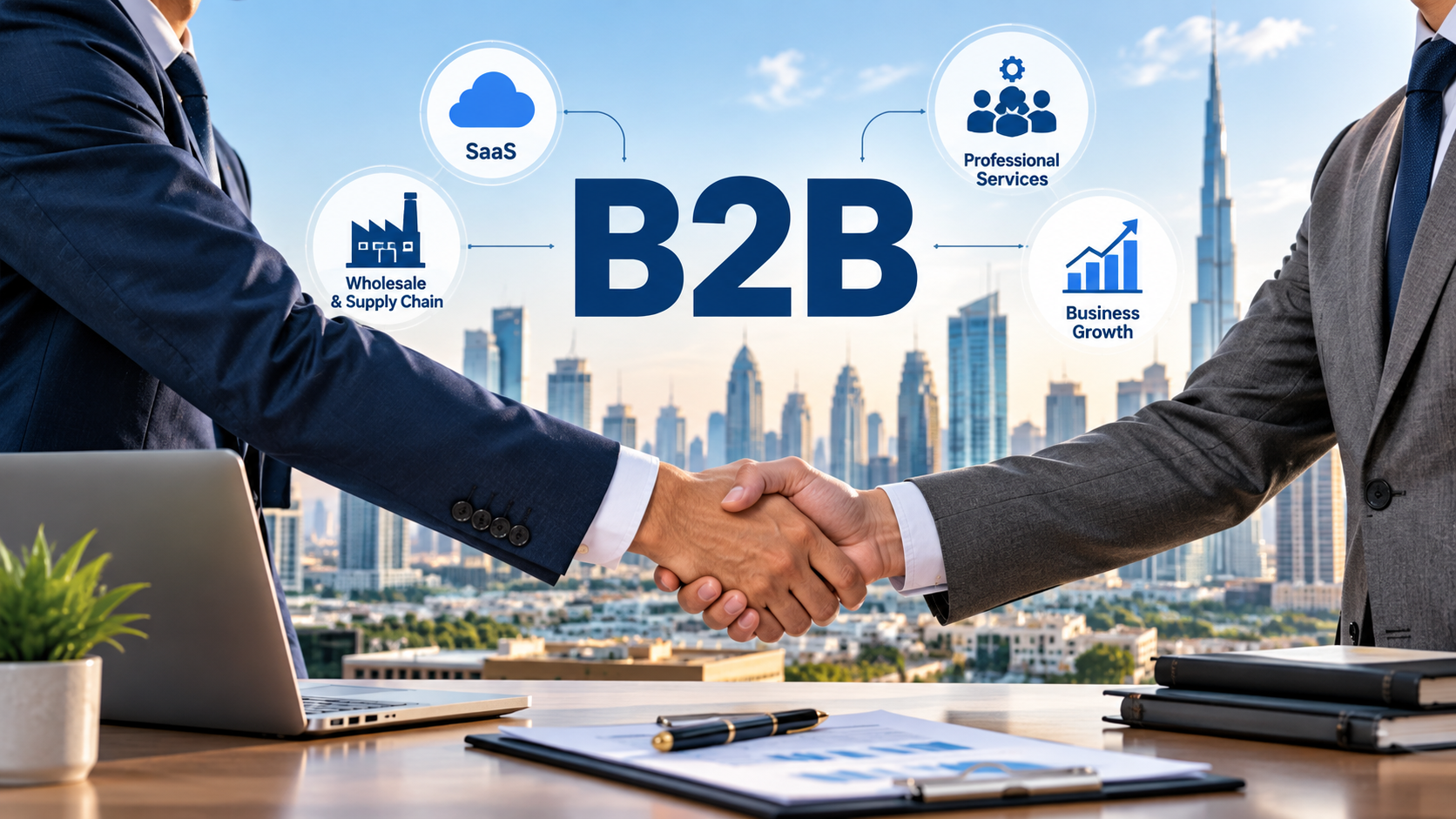
What It Is, Models, and Core Characteristics
A B2B (business-to-business) company sells products, services, or software to other businesses rather than individual consumers. B2B companies serve a wide range of customers, including corporations, manufacturers, retailers, and government organizations.
Unlike B2C businesses, B2B companies typically deal with larger purchases, multiple decision-makers, longer sales cycles, and more analytical buying decisions.
What Is a B2B Business?
A B2B business provides products, services, or solutions that help another organization operate, grow, reduce costs, or improve efficiency.
For example, a software company may sell a CRM platform to a sales team, while a manufacturer may supply raw materials to another factory.
The key difference is the customer: the buyer is another business or organization rather than an individual consumer.
Core Characteristics of B2B Businesses
1. Target Audience
B2B companies primarily sell to:
- Other businesses
- Corporate buyers
- Manufacturers
- Retailers
- Government agencies
- Professional organizations
The purchasing process often involves specific departments such as procurement, finance, operations, IT, or management.
2. Longer Sales Cycles
B2B purchases can take weeks or months to complete.
This is because business purchases often involve:
- Multiple stakeholders
- Product demonstrations
- Budget approvals
- Procurement processes
- Formal contracts
- Vendor evaluations
The larger and more expensive the purchase, the more complex the decision-making process tends to be.
3. Logic-Driven Purchases
B2B buyers generally evaluate products and services based on measurable business value.
Common considerations include:
- Return on investment (ROI)
- Cost savings
- Operational efficiency
- Productivity
- Scalability
- Reliability
For example, a company purchasing automation software may compare the software’s cost with the amount of time and labor it can save.
Common B2B Business Models
1. SaaS — Software as a Service
SaaS companies provide cloud-based software that businesses access through subscriptions.
Examples include software used for:
- Customer relationship management
- Business operations
- Marketing automation
- Data analysis
- Collaboration
Companies can subscribe to platforms such as Salesforce or Microsoft Azure to support their operations without building the software themselves.
2. Wholesale & Supply Chain
In this model, manufacturers and suppliers sell raw materials, components, or finished goods in bulk to other businesses.
For example, a manufacturer may supply materials to another factory, or a wholesaler may sell products to retailers.
Platforms such as IndiaMART help businesses discover and connect with suppliers and buyers.
3. Professional Services
Professional service companies provide specialized expertise to other organizations.
Common examples include:
- Corporate accounting
- Legal services
- Consulting
- Digital marketing
- IT services
- Business advisory services
These companies typically charge businesses for their expertise, ongoing support, or project-based services.
Why B2B Businesses Are Different
The B2B market is fundamentally different from consumer-focused businesses because purchases are usually connected to a company’s operations, financial goals, or growth objectives.
A successful B2B company therefore needs to clearly communicate:
What problem does the product solve?
How much value does it provide?
How can it improve the customer’s business?
Understanding these factors is essential for building effective B2B sales, marketing, and customer acquisition strategies.